Subtle Idols: When Good Things Become God Things
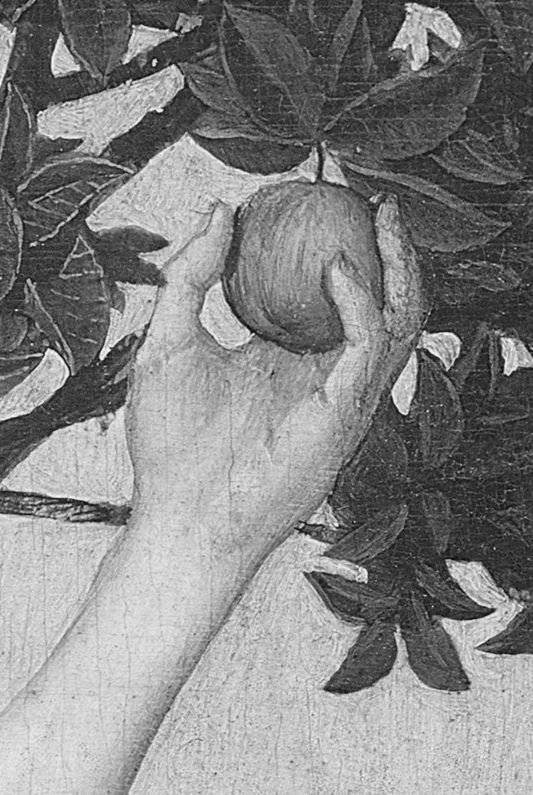
The Fall of Man by. Peter Paul Rubens
“Now the serpent was more subtil than any beast of the field which the Lord God had made. And he said unto the woman, Yea, hath God said, Ye shall not eat of every tree of the garden?” Genesis 3:1 (KJV)
We live in an age of endless fascination. From Sports to hunting, from golf courses to comic books, from political debates to the mysteries of cryptozoology, from fashion to interior design, even something as seemingly good as habits and hobbies like always reading books and gardening, there is no shortage of things to capture our attention. Though these things are not inherently sinful. In fact, many of them can be enjoyed as gifts from God. But therein lies the danger.
What begins as a harmless interest or recreational activity can quietly grow into a consuming obsession. Making it something far more serious than a hobby, it becomes a rival to God.
The Subtlety of Idolatry
John Calvin said, “The human heart is a perpetual factory of idols.” Idolatry in our day rarely takes the form of carved statues or pagan temples. It looks like packed stadiums, endless scrolling, weekend routines, and conversations dominated by everything except the Lord.
Scripture warns us:
“Do not love the world nor the things in the world. If anyone loves the world, the love of the Father is not in him.” 1 John 2:15 (NASB)
Notice the contrast: love for the world and love for the Father cannot coexist in ultimate allegiance. The issue is not mere participation in worldly things, but affection, which captures the heart.
The enemy doesn't attack us with horns and a pitchfork; instead, he approaches by offering everything we desire. He leads people astray not just through outright rebellion, but more frequently through distraction. With the things of this world that we like.
A man doesn’t wake up one day and decide to abandon God. Instead, his attention is gradually redirected—game by game, season by season, hobby by hobby—until the things of God are pushed to the margins.
When Gifts Replace the Giver
God has given us all things richly to enjoy (1 Timothy 6:17). But when we take those gifts and elevate them above Him, we commit a profound exchange.
“For they exchanged the truth of God for a lie, and worshiped and served the creature rather than the Creator…” Romans 1:25 (NASB)
That exchange doesn’t always look dramatic. It can look like:
Knowing more statistics about a team than Scripture.
Investing more time in hobbies than in prayer.
Feeling more emotional about politics than about holiness.
Structuring life around recreation rather than worship.
Spending each Sunday at travel ball rather than worshiping God in Church.
These are not merely scheduling issues—they are worship issues.
The Heart of the Problem
At its core, this is a problem of misplaced glory.
“Whether, then, you eat or drink or whatever you do, do all to the glory of God.” 1 Corinthians 10:31 (NASB)
The question is not: Do you enjoy these things?
The question is: Do these things help or hinder your pursuit of God’s glory?
Anything that consistently pulls your heart away from God, dulls your desire for His Word, or replaces your devotion with distraction is not neutral—it is spiritually dangerous.
The Enemy’s Quiet Strategy
Again, 1 John 2:15-17 says, “Do not love the world nor the things in the world. If anyone loves the world, the love of the Father is not in him. For all that is in the world, the lust of the flesh and the lust of the eyes and the boastful pride of life, is not from the Father, but is from the world. The world is passing away and also its lusts; but the one who does the will of God continues to live forever.” (NASB)
This is the same tactic the enemy used in the garden with Adam and Eve. As he tempted them, he caused them to question God’s authority by appealing to their desires for the forbidden fruit: “it looks good” (lust of the eyes), “it tastes good” (lust of the flesh), and “you will become like gods” (the boastful pride of life). One of the enemy’s most effective strategies isn’t to make you despise God but to make you forget Him. If he can keep you entertained, busy, and preoccupied, he doesn't need to openly challenge your faith. A distracted Christian often becomes an unfruitful Christian. This distraction can lead to backsliding, false conversion, or even prevent someone from considering the faith of Christ altogether.
Jesus warned of this in the parable of the sower:
“The one on whom seed was sown among the thorns, this is the man who hears the word, and the worry of the world and the deceitfulness of wealth choke the word, and it becomes unfruitful.” Matthew 13:22 (NASB)
Notice, the Word is not rejected—it is choked. Slowly. Quietly. Subtly.
A Call to Examine Your Affections
This is not a call to abandon every hobby or interest. It is a call to examine your heart.
Ask yourself:
What do I think about most?
What do I talk about most?
What do I prioritize when I have free time?
What excites me more than Christ?
These questions uncover what we truly revere. While our interests may not be sinful in themselves, they become wrong when they occupy our affection so fully that they overshadow the Lord. This is akin to worshiping a carved image or creating a god in our own likeness (Exodus 20, the first two commandments), thus violating God's law. As Jesus highlights in His Sermon on the Mount, true worship originates from the heart (Matt. 5:17-48). He teaches that righteousness involves more than mere external rules; it addresses internal issues like anger, lust, and loving enemies. In this context, it also includes the false worship of the idols we've set up in our lives.
Reordering Our Lives for God’s Glory
The solution is not mere self-denial—it is reordered love. When Christ is supreme in our affections, everything else finds its proper place.
“But seek first His kingdom and His righteousness, and all these things will be added to you.” Matthew 6:33 (NASB)
Keach’s Catechism Question 2 asks: What is the chief end of man? Answer: Man's chief end is to glorify God and to enjoy Him forever.
1 Corinthians 10:31 says, “Therefore, whether you eat or drink, or whatever you do, do all things for the glory of God.”
Enjoy your hobbies—but do not serve them. Engage the world—but do not love it. Use God’s gifts—but do not worship them. Use them to bring Him Glory. The danger is not always that we run from God, it is that we drift from Him. And often, we drift not because of outright sin, but because of subtle distractions that slowly capture our hearts.
So let us fix our eyes on Christ, guard our affections, and live intentionally for the glory of God, lest we trade eternal treasure for temporary fascination.